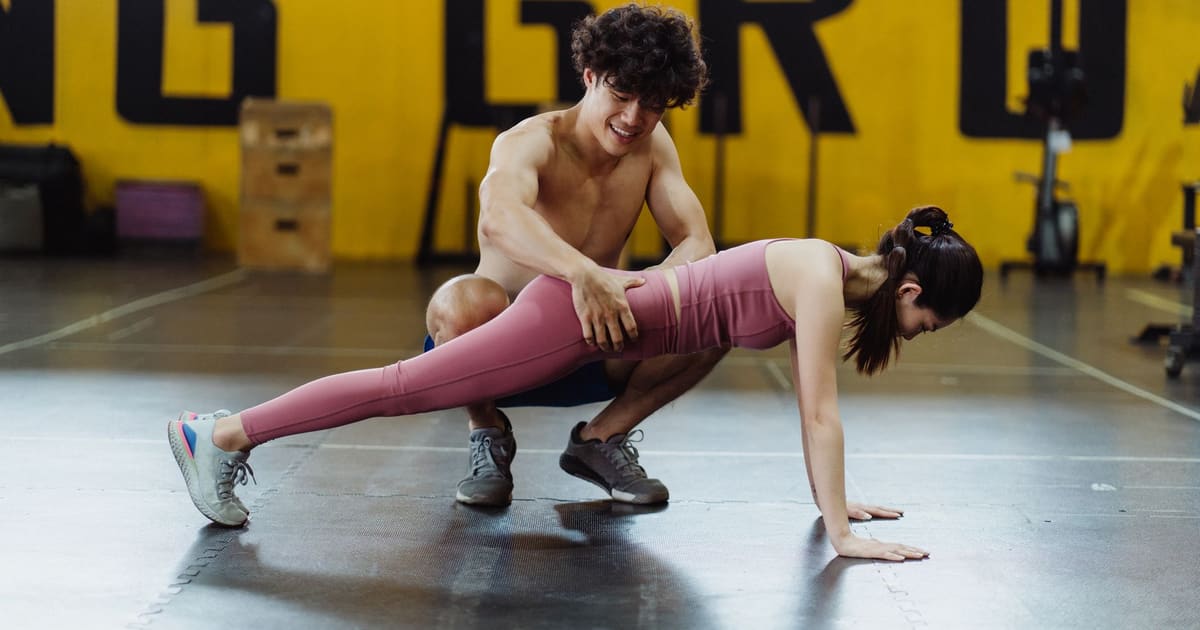
To prepare for your first personal training session, complete your health history intake honestly, get medical clearance from your doctor if you have a condition or are returning from injury, eat a light meal one to two hours beforehand, arrive in supportive athletic shoes and comfortable clothing, and bring water and a towel. The first session focuses on goals and a movement assessment -- not maximum effort.
Before You Set Foot in the Gym
The preparation that matters most happens before you leave your home. Getting a few things right in advance means your trainer can spend the session learning about you rather than working around avoidable gaps.
Complete Your Health History and PAR-Q Intake
Most trainers and training facilities ask new clients to fill out a health history form and a PAR-Q (Physical Activity Readiness Questionnaire) before the first appointment. The PAR-Q, developed by the Canadian Society for Exercise Physiology, is a short screening tool that identifies whether a new exerciser should consult a physician before beginning a program.
Fill out these forms accurately and completely. It can be tempting to downplay a past injury or skip over a chronic condition to avoid seeming like a complicated client. Resist that temptation. Your trainer uses this information to make your program safer and more effective. Incomplete intake forms are one of the most common reasons a well-designed program still produces avoidable problems in the first few weeks.
Medical Clearance First
Before starting a new exercise program, consult your physician or a licensed healthcare provider if you have a cardiovascular condition, musculoskeletal injury, are pregnant or recently postpartum, or have been sedentary for an extended period. Your trainer is not a medical professional and cannot diagnose or treat health conditions. Physician clearance comes first.
Hydrate Starting the Day Before
The American College of Sports Medicine (ACSM) recommends that exercisers arrive at training well-hydrated rather than trying to catch up during the session itself. Drink water normally throughout the day before your appointment and continue the morning of your session. Arriving dehydrated affects performance and recovery, and it can make an unfamiliar workout feel significantly harder than it otherwise would.
Eat a Light Meal One to Two Hours Before
The ACSM's guidance on pre-exercise nutrition generally supports a light meal or snack one to two hours before activity -- enough to fuel the session without causing discomfort. Good options include toast with peanut butter, a banana with a small amount of yogurt, or a bowl of oatmeal. Avoid heavy, high-fat, or very high-fiber meals in the two hours before training. They take longer to digest and can cause nausea or cramping during exercise.
If your session is first thing in the morning, a small snack rather than a full meal is usually sufficient. If you feel better training completely fasted, mention that to your trainer so they can adjust the session's intensity accordingly.
What to Wear and Bring
Gear Checklist
Supportive athletic shoes (running shoes or cross-trainers work for most first sessions), comfortable clothing with a full range of motion, a filled water bottle, and a small towel. That is all you need. You do not need specialized equipment or branded gym gear.
Shoes: The single most important item is footwear. Wear athletic shoes with real lateral support -- not casual sneakers, flip-flops, or work shoes. Running shoes and cross-trainers are appropriate for general fitness sessions. If you already know your program will be primarily weightlifting, flat-soled shoes (such as training shoes or court shoes) provide a more stable base. Your trainer can advise you after the first session.
Clothing: Choose breathable fabrics that move with you -- standard athletic wear, leggings, or shorts all work. Avoid anything too loose that might catch on equipment, and avoid jeans or restrictive clothing entirely. Modesty-minded clients should know that a trainer conducting a movement screen needs to observe your posture and joint alignment, so very baggy clothing can make their job harder.
Water bottle: Bring one and plan to use it. You should be able to drink during rest periods throughout the session.
A towel: Most gyms provide them, but having your own is a simple habit that improves hygiene for everyone.
What you do not need: a heart rate monitor, a training journal (unless you want one), supplements, or any specific gear beyond what is listed. Your trainer will tell you after the first session whether any specialized equipment would help your program.
Arriving at the Session
Plan to arrive five to ten minutes early. This gives you time to check in, locate the training area, change if needed, and settle any remaining paperwork without rushing into the session itself. Arriving flustered tends to affect performance and makes first impressions more stressful than they need to be.
If this is your first time in the facility, use the extra minutes to orient yourself. Knowing where the restrooms, water fountains, and locker rooms are is a small thing that reduces friction during the session.
Use those early minutes for light movement rather than sitting on your phone. A two-to-three-minute easy walk on the treadmill or some gentle dynamic stretching (leg swings, arm circles) helps bring your body to a ready state. You are not warming up in any serious sense -- your trainer will handle that -- but avoiding total stillness before activity is a sound habit according to ACE guidelines on pre-exercise preparation.
What to Expect During the First Session
The first session with a personal trainer looks different from subsequent sessions. Its primary purpose is information-gathering, not maximum output.
Goal-Setting Conversation
Your trainer will likely begin by asking about your goals in more specific terms than your intake form captured. What does success look like to you in three months? Six months? Are there activities you want to return to, or physical limitations you want to work around? Be direct and specific. "I want to lose weight" is a starting point; "I want to be able to carry groceries up three flights of stairs without stopping" gives your trainer something concrete to build around.
This is also the moment to disclose anything you did not include on your forms -- a sore knee that has been nagging for two weeks, anxiety about certain types of exercise, or a bad experience with a trainer in the past. Good trainers work with this information, not around it.
Movement and Fitness Assessment
Most trainers use the first session to establish a baseline. This might include a posture screen, a simple strength test (such as how many bodyweight squats you can perform with good form), a flexibility or range-of-motion check, and sometimes cardiovascular capacity measures such as a step test or a timed walk.
The ACSM recommends pre-participation fitness assessments precisely because they allow trainers to design programs that match a client's current capacity rather than a generic template. Do not try to perform better than you actually can during an assessment. The point is an honest baseline, not a performance. Your trainer is not judging you -- they are collecting data to make your program work.
Baseline Measures Are a Tool, Not a Judgment
Your first-session numbers -- strength, flexibility, endurance -- are a starting point, nothing more. Every experienced trainer has worked with beginners who were certain their baseline was embarrassingly low. Accurate baseline data is what allows meaningful progress to be measured. Inflating your performance during the assessment helps no one.
A Sample Workout at Manageable Intensity
After the conversation and assessment, most trainers will put you through a short introductory workout. Expect this to be lighter than what your program will eventually look like -- the goal is to introduce movement patterns, observe how you respond, and give you a realistic sense of the work ahead.
You will not be pushed to failure or exhaustion in a first session by any trainer operating responsibly. The American Council on Exercise (ACE) emphasizes that appropriate progression -- gradually increasing intensity over time -- is a core principle of sound program design. Starting conservatively reduces injury risk and keeps you coming back.
| Stage | What to Do | Why It Matters |
|---|---|---|
| Before | Complete health intake, get medical clearance if needed, hydrate, eat a light meal 1-2 hours prior | Sets a safe, accurate foundation for your program |
| During | Communicate injuries and limitations, give honest effort in the assessment, ask questions | Allows your trainer to personalize your plan from day one |
| After | Hydrate, rest adequately, allow 48 hours before next intense session if sore | Supports recovery and reduces injury risk in early weeks |
How to Communicate During the Session
Your trainer is relying on real-time feedback from you. "Does that feel like tension in the right muscle?" requires an honest answer. "Tell me where you feel that on a scale from zero to ten" is a question worth answering accurately.
Two areas where communication is especially important:
Pain versus discomfort: There is a meaningful difference between the mild burn of working muscles (normal) and sharp, stabbing, or joint-specific pain (not normal, stop and tell your trainer immediately). If something feels wrong rather than hard, say so. A well-trained trainer will not minimize that report.
Existing limitations: If a movement pattern causes discomfort in a prior injury site, say so in real time. "That pulls on my left shoulder" is information your trainer needs. They will modify the exercise or substitute a different one. This is routine, not a disruption.
Reviewing how to choose a personal trainer before your first session can also help you identify what good communication from a trainer looks like -- so you know what responsiveness to expect.
After Your First Session
Expect Mild Soreness
Delayed-onset muscle soreness (DOMS) -- the stiffness and tenderness that typically peaks 24 to 48 hours after unfamiliar exercise -- is normal after a first session, particularly if the movements were new to your body. It is the result of microscopic muscle adaptation, not injury. ACSM research on DOMS consistently indicates it is a standard part of early training, especially when beginning a program after a period of inactivity.
Mild soreness does not mean you trained correctly; it means your muscles encountered new stimulus. Severe soreness that limits normal movement, or any localized swelling or bruising, is a different matter -- contact your trainer and consider consulting a physician.
Hydrate and Rest
Continue drinking water after your session. Sleep is when the majority of muscle repair occurs. Skimping on rest in the days following a first training session undermines the adaptation process. Most fitness professionals recommend waiting 48 hours before repeating intense work on the same muscle groups -- your trainer will factor this into scheduling when you discuss how often you should train with a personal trainer.
Light activity the day after -- a walk, gentle stretching, swimming -- can help manage soreness without interfering with recovery.
Reflect and Ask Questions
Before your second session, take a few minutes to note what felt unclear, what questions came up, and whether the trainer's communication style worked for you. A productive training relationship depends on honest, ongoing dialogue. If your trainer did not ask about a limitation you mentioned, or if an exercise felt wrong and you did not get a satisfying answer, raise it at the start of the next session.
Individual results from personal training vary widely and depend on factors including consistency, nutrition, sleep quality, starting fitness level, and overall health status. No trainer or program can guarantee specific outcomes. What a qualified trainer can do is design and adjust a program built around your actual capacity and your real goals -- but that only works if you give them accurate information from the first session forward.
The First Session Is About Information
Your first personal training session is not a test you can pass or fail. It is a structured information exchange -- your trainer learns about you, you learn about how they work. Go in prepared, go in honest, and the sessions that follow will be more useful from the start.
If you are still evaluating which trainer to work with, or considering different formats, the guides on what certifications a personal trainer should have and group versus one-on-one training can help you make that decision before you book.
Frequently asked questions
What should I eat before my first personal training session?
A light meal or snack one to two hours before your session works well for most people -- something with carbohydrates and a small amount of protein, such as toast with peanut butter or a banana with yogurt. Avoid heavy or high-fat meals close to your session. The American College of Sports Medicine recommends staying well hydrated before exercise.
What should I wear to a personal training session?
Wear supportive athletic shoes designed for the type of training you plan to do -- running shoes or cross-trainers are both appropriate for a general first session. Choose comfortable, breathable clothing that allows a full range of motion. Avoid jeans, dress shoes, or anything that restricts movement.
Will I be sore after my first personal training session?
Mild delayed-onset muscle soreness (DOMS) in the 24 to 48 hours after your first session is normal and expected, particularly if the movements were new to your body. DOMS is not a sign of injury. Staying hydrated, getting enough sleep, and light movement the following day can help manage discomfort.
What happens during a first personal training session?
A typical first session includes a goal-setting conversation, a review of your health history and any limitations, a movement or fitness assessment to establish your baseline, and often a sample workout at a comfortable intensity. The goal is information-gathering, not pushing you to your limit.
Do I need to complete paperwork before my first personal training session?
Most trainers and gyms ask new clients to complete a health history form and a PAR-Q (Physical Activity Readiness Questionnaire) before the first session. These forms help your trainer understand any conditions, injuries, or medications relevant to your program. Complete them honestly -- the information shapes your entire plan.